Prairie Outdoors
  • Email
  • Facebook
  • RSS
  • Home
  • Outdoors Blog
  • Campgrounds and Camping
    • Alberta Campgrounds
    • Saskatchewan Campgrounds
    • Manitoba Campgrounds
    • Camping Photo Contest
    • Country Building Photo Contest
    • Boats and Trailers
    • ATV and Snowmobile Rentals
    • Campground Reservations
  • Hunting
    • Wildlife on Camera 2026
    • Hunting Photo Contest
    • Outfitter Guides and Lodges
    • Buy Hunting Licenses
    • The Campfire
    • Our Favorite Places
    • Know Your Species
    • Saskatchewan Whitetail and Mule Deer Seasons
    • Deer Antler Scoring Whitetail and Mule Deer
    • Scoring Your Black Bear Trophy Skull
    • Moose Antler Trophy Scoring
    • Hunting Dogs
  • Fishing
    • Fishing Photo Contest
    • Buy Fishing Licenses
    • Fishing Camps and Lodges
    • The Campfire
    • Our Favorite Places
    • Ice Fishing
    • Pike & Walleye Weight Chart
  • Outfitters
    • SK Deer Hunting
    • SK Moose Hunting
    • SK Bear Hunting
    • SK Goose Hunting
    • Alberta Outfitters and Guides
    • Saskatchewan Outfitters and Guides
    • Manitoba Outfitters and Guides
    • Trip Finder
  • Hunts For Sale
  • Games
    • Outdoor Hangman
    • Outdoor Trivia
    • Outdoors Trivia 2
    • Survey – Broder Buck vs Hanson Buck
    • Survey – Fishing – Keep or Release
    • Survey – Fishing – Lefty or Righty
    • Survey – Shotgun for Geese
    • Survey – Fishing – Pike vs Walleye
    • Survey – Fly Fishing vs Spincasting
    • Survey – Upland Birds vs Waterfowl Hunting
  • Advertise
    • Advertise Your Outfitter Business
    • Advertise Your Campground
    • Outdoors Web Site Development
    • Sponsor Opportunities on Prairie Outdoors
    • Advertise Your RV Dealership
  • About
Search the site...
  • Home
  • Life at the Cabin (Page 2)

Things I am learning about Snowmobiles – Part II

February 15, 2026 / galen / Life at the Cabin, Snowmobiling

With each time starting my snowmobile and each ride I learn a little more and get a little more experience. Now the idea of hitting the throttle is not quite so unknown and I am getting a better feel for how the machine handles in different snow conditions. I haven’t has the chance to ride in fresh powder or on groomed trails yet. Hopefully that will happen this winter still. We have had a terrible stretch of plus side temperatures which have melted a lot of snow and turned the remaining snow to hard packed and crusty. The forecast shows the weather turning to more central Saskatchewan mid-February weather so really hoping the snow in the forecast brings us a good foot of powder to play in.
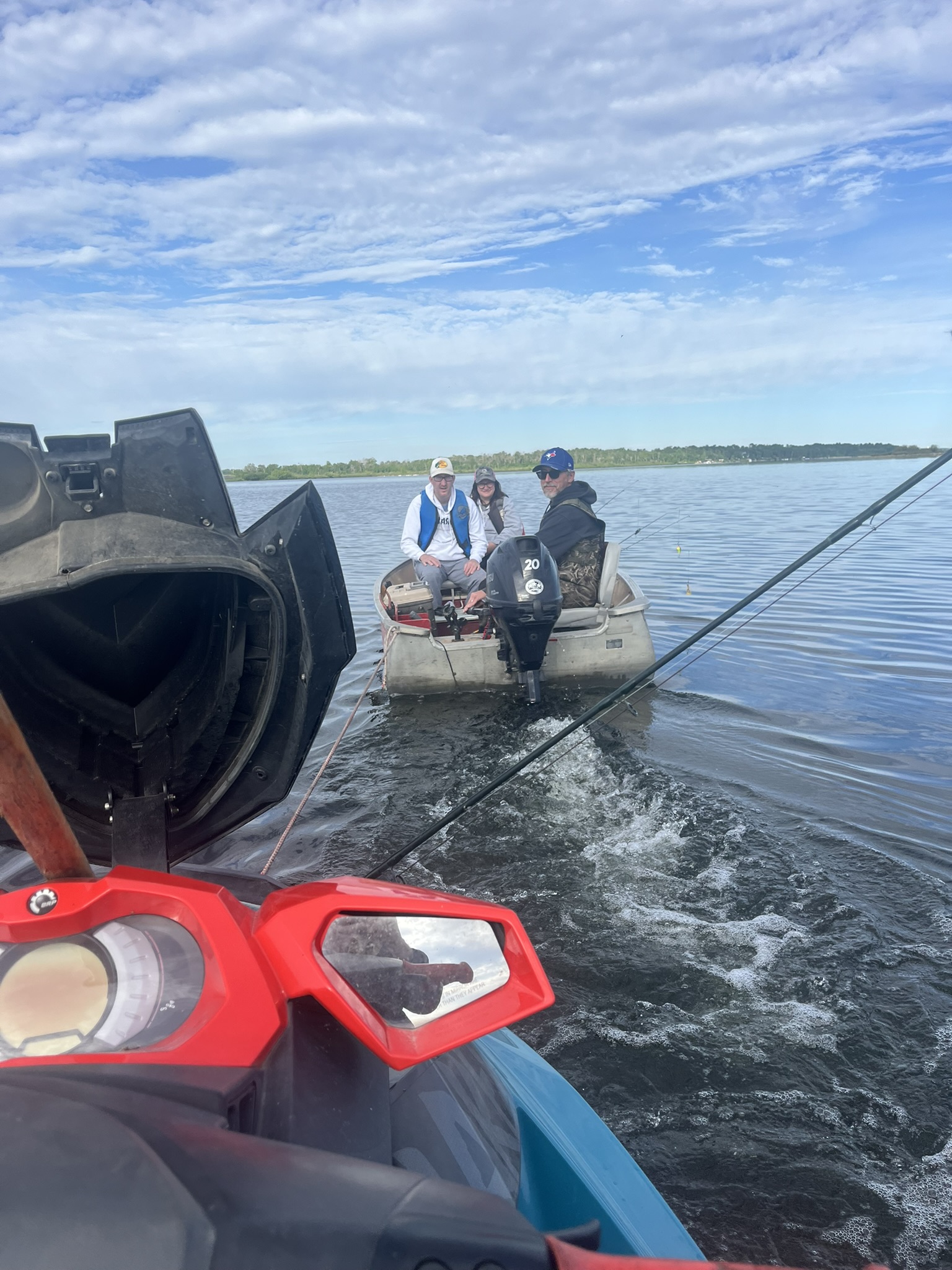
But first, the dogs love to run loose out on the lake.

http://prairieoutdoors.com/wp-content/uploads/2026/02/dogs-on-the-lake.mp4

I also like to take them for a run out here so they can burn off some energy before I go for a ride on the snowmobile. Then they can sit on the deck and watch.

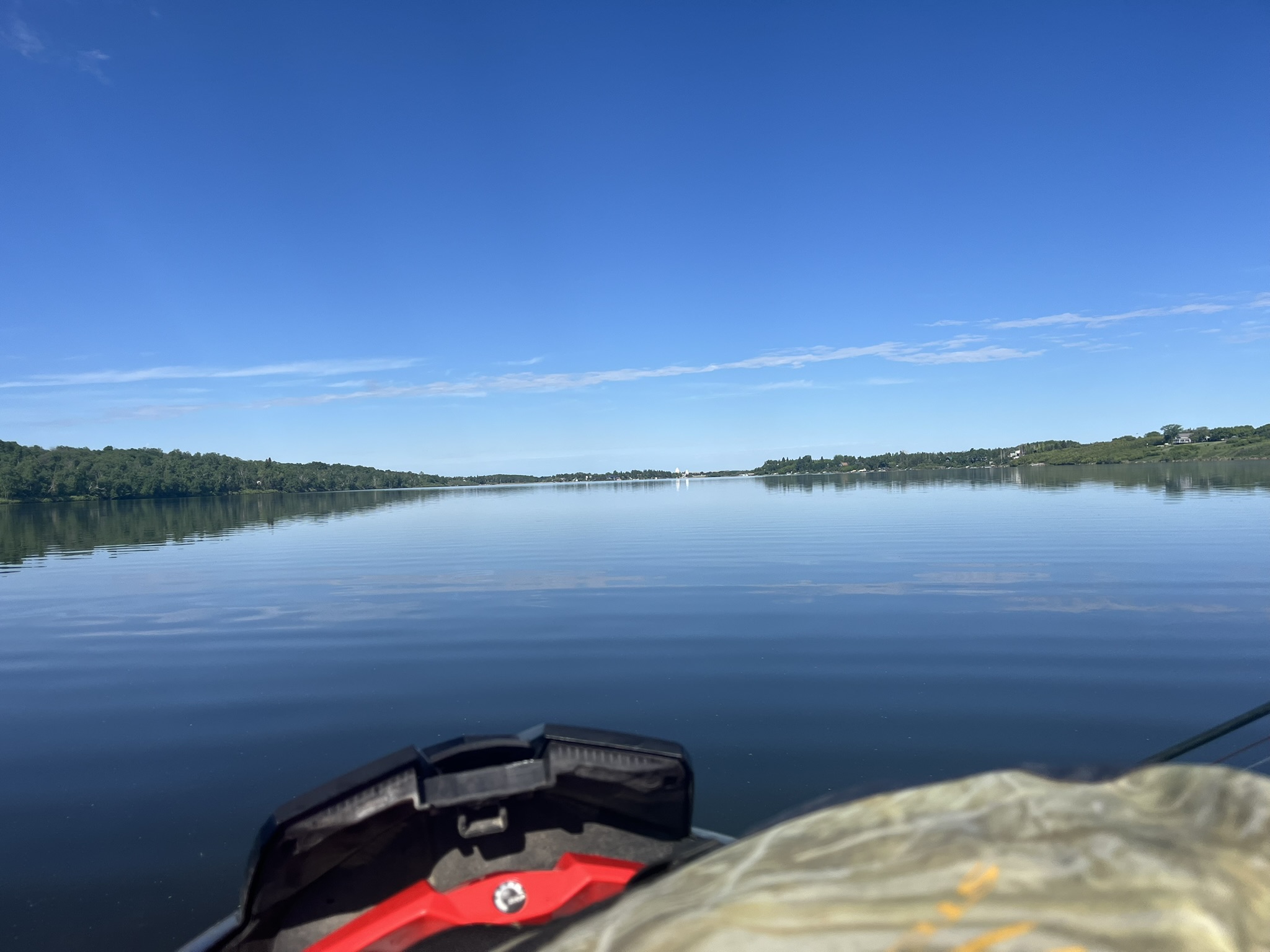
Now, before starting, the pre-ride check list of all the important things. Gas, coolant, oil, and then ensure the skis and track are free from being iced in and stuck.
Oil
Coolant
Skis

Gas
Track

Electric vs pull start, we are only part way into the learning on this one. My used snowmobile was bought with electric start, but the owner had never installed a battery. So, it’s there, if I want to add the battery. Fortunately, the batteries from my SeaDoos, sitting on a shelf in winter, will do the job nicely. The pull start works just fine for me, a couple pulls and it starts. But the pull start is too hard of a pull for my wife, who has a shoulder with a habit of popping out. So, either I do the pull, or we put in a battery. I already have the battery, so may as well give that a try and see how much we appreciate the convenience.

Track Paddles come in various sizes. I have also heard them called lugs. I don’t have much to compare to but mine came with 2-1/2″ paddles. So far I haven’t found any snow to deep to get traction. That includes a ride today through some ditches with some very deeply gathered snow. In the summer, the ditches are about 3 feet below the level of the road. The snow is currently even with the road.

Coolant. Some sort of cooling method is obviously important for any engine that will be running for a extended period of time. My owners manual recommend pre-mixed with a ratio of coolant to water of either 60:40 or 50:50. Reading the manual, there is more to the engine cooling than just maintaining a coolant level. You also need some snow throwing on the track which in turn is used to cool the coolant. Get too hot and you can actually boil off the coolant.

My buddy, who has owned snowmobiles for many years and rides in the same geography as me, recommended a 144″ or 144″ track length. That’s what I started shopping for, but found they are quite hard to find. Many 163″ track lengths, but those are primarily designed for mountain riding. Not many mountains in site around here. The 155″ track length seemed pretty popular and some research identifies this length as a cross-over. Shorter is more maneuverable. Longer is better deep snow traction. The 155″ is right in-between.

Hand Grip Warmers seem like they will be a nice feature. All the days I have been at my cabin and gone riding so far this winter have been at coldest -10 C so the warmers have been in the low position. Not really cold enough to need them at all with a decent pair of ski gloves on my hands. Living in Saskatchewan, I anticipate there will be a day when I find these a great feature.

Hand Grip Warmers
Warmer Hi – Off – Low switch

The First Few Rides on My Own Snowmobile

February 3, 2026 / galen / Life at the Cabin, Snowmobiling

New Found Winter Freedom

We now have the first few rides on our own snowmobile under our helmets. The overwhelming conclusion for both of us was “let’s do more of this!”. No doubt in my mind that we will buy a second snowmobile so that we can ride together and journey a little farther, to the ditches, fields, and hills in the surrounding countryside. Our neighbours, who are from the area, have already offered to show us some of the good spots to go.

We have found that driving on the lake is bumpy, with hard packed snow. I am sure this is simply a result of the warm weather spell we had in January when there was some melt and settling of snow.

Running hot was an issue, with engine temp climbing well above normal. I put the scratchers down which helped. I went online and read some forums and this is not uncommon so I was relieved that the machine was simply acting normally. The next day after some overnight snow we ran in some fresh snow and temperature was normal.

If you have a look at a couple of the videos below, I realize for the hard core snowmobilers out there that these pics and videos are pretty unimpressive but I will go back to classifying us a Novice riders on a machine with far more power than either of us have ever ridden so we are starting off with a light thumb on the throttle.


http://prairieoutdoors.com/wp-content/uploads/2026/01/CabinFront_2026-01-28T17_07_26.mp4
http://prairieoutdoors.com/wp-content/uploads/2026/02/snowmobiling_0019.mp4
http://prairieoutdoors.com/wp-content/uploads/2026/02/snowmobiling_0009.mp4


The Perfect Forecast Not Required

January 24, 2026 / galen / Life at the Cabin

Before we owned a cabin, we looked forward in somewhat nervous anticipation at each summertime weekend forecast. Looking for that “perfect forecast” so we could make a day trip to a nearby lake with the kids, and the dog, and the boat. Too much wind, too cloudy, too cool, possible storms in the afternoon. All of these could ruin the perfect forecast and prevent a “perfect day” at the lake. Sometimes we made the trip anyway and an unperfect forecast still led to some pretty fun days.

Then we bought a cabin and the whole outlook changed. We no longer need a perfect day or a perfect forecast. Even on a bad weather day, there are often breaks in the weather when we can get outside and enjoy the outdoors. If it’s raining, sit under the awning or the umbrella. If there is a short break in the rain, go down to the dock and catch a few perch on the fly rod. A half hour break in the clouds and that’s plenty of time for a run on the Sea-Doos. Even when its a bit windy, there’s calm water somewhere and one can move chairs to the opposite side of the cabin for a wind break, or sit down in the firepit area surrounded by trees.


Winter gives us a whole new set of activities. Walks along the trails and gravel roads, ice fishing, building a rink on the lake, snow tubing down the hill and out onto the ice. When it’s a little on the colder side, a step inside the cabin to warm up and maybe a hot chocolate can fuel you for some more brisk outdoor activities. On some winter days we have built a fire and enjoyed our beverages outside. Even the wildlife seem to a part of the fun.


Give us a day of perfect weather and we have all we could hope, the weather and the time to do anything we want, to have a perfect day. But that doesn’t stop us from having great days, with activities mixed in to match what the weather gives us.

We Are Snowmobile Owners

January 21, 2026 / galen / Life at the Cabin, Snowmobiling

Finally found the snowmobile that was right for us, for the first one, we believe. I had an alert set for a year range and price range on Kijiji and one that looked promising popped up Monday morning. I contacted the owner right away and quickly had an appointment to be the first one to look at it.  For the test drive, I asked the current owner take it for a run so I could see what it can do, with someone who knows what they are doing at the controls. Then I took it for a test ride as well. The owner was a bigger guy than me so I could see it would have no shortage of power.

After watching the used for sale listings for a month or so, it was pretty obvious I would have to compromise in a few ways. I ended up at the very bottom range of model year. This one is a 2012. But it has relatively low mileage, under 2000 km. Ideally I was looking for a 144″ track and settled on a 155″. It’s considered a cross-over model so that makes sense and a buddy who rides a lot says he knows many happy 155″ owners. This one came fairly well accessorized.  Scratchers, heated handles, reverse, electric handles, and electric start (just add a battery). I was willing to go with a 600 engine model if the right opportunity came about but this one is an 800 so the only question is will this be too big. Perhaps the second one we buy will be a 600 and then we can compare.

Our next step is get it into our truck and unload at the lake and take it for a first ride. For the next couple days it will sit in the garage.

After doing a quick inventory of winter wear accessories we are short a couple pairs of goggles. That should be an easy solution.

Buying a low-mileage used snowmobile is a low-cost entry into the sport, with little or no financial risk. Snowmobiles I saw listed were being sold within the week so if we decide that this is not for us it should be pretty simple to get our money back out.


1 Snowmobile vs 2 Snowmobiles

January 19, 2026 / galen / Life at the Cabin, Snowmobiling

Should we buy 1 or 2 snowmobiles?

That is the current dilemma. We know that if we are going to get into snowmobiling, we will eventually need 2 machines, but can we do a successful test with just 1 machine? My wife has limited weekends available this winter to go to the cabin and go riding. I have much more flexibility. It’s mid-January and we have not yet looked at a snowmobile in person, let alone bought one (or two) and take it (them) for the initial ride.

Down the road, and into retirement, if we have snowmobiles, we expect we would have ample time to ride and time to venture out on the nearby trail system and take part in poker rallies. The winter fun activities that our Province affords us.

When we bought Sea-Doos a few years ago, we right away bought 2. “Best purchase ever” says my wife. I guess that means she like the Sea-Doos more than her wedding ring? I’m ok with that. We are hoping that snowmobiles will be the winter equivalent.

As mentioned in my last post, neither us us are brand new to riding, but given the lack of recent experience, I am classifying us as newbies, but not snowmobile virgins.

We made a list of Pros and Cons of the 1 snowmobile vs 2 snowmobiles dilemma.

Cons:

  • double the cost of purchase, maintenance, gas, etc.
  • we can take turns

Pros:

  • double the fun
  • couples outings
  • trail rides
  • poker derbies
  • more reasons to spend days at the cabin in the winter
  • rides with neighbours and friends
  • more reasons for more family gathering at the cabin

As you can see above, without adding any scaling to the pros and cons, the Pros greatly outweigh the Cons. I am sure, assuming the initial testing of a snowmobile puts smiles on both of our face, we will be on the trails to two snowmobiles, not one.

Adventures of Novice Snowmobile Riders – The Beginnings

January 13, 2026 / galen / Life at the Cabin, Snowmobiling

We are thinking of becoming snowmobile owners, my wife and I. I would call us Novice Snowmobile Riders, but not absolute newbies. We both had snowmobiles growing up. My family shared a Polaris something. It was the smallest engine they made back in the early 80’s, likely a wise choice by my father as I’m sure we were a bit reckless. Growing up outside the city limits of Brandon, Manitoba, we had plenty of snow and plenty of open territory and often my brother and I would set up a course and have timed races, one at a time. Sometimes we could borrow the neighbour’s Artic Cat El Tigre. I believe it was a 440 and much faster than ours. My wife grew up with a family cabin at a a lake south of Swift Current, Saskatchewan and a family friend had a Yamaha store so there was a ready supply of snowmobiles and dirt bikes to play on for her and her two older brothers, but sometimes the SK snow pack was a little thin so the riding could be bumpy. [add old images of pics if any]

Now the times and technology definitely have changed. The last time either of us were on a snowmobile was at least 15 years ago. We have friends and neighbours at the lake that have snowmobiles and we are eager to join them on the winter trails. But first we need to make a purchase or two. As we are still a few years away from retirement, we do not want to over invest and have them sit idle, parked in a shed at the cabin. We want to make an affordable entrance into the world of snowmobile riding and gauge how much time we have for the next few years. So, new is off the books and we are considering just a single machine for this winter then one more in the fall. She has a limited number of weekends available this winter so two machines may be overkill. I have a much more flexible schedule to go riding as well take the snowmobile out to the ice fishing spots.

We are definitely newbies when it comes to the purchase of snowmobiles. As I scour Kijiji and AutoTrader, it is quickly evident there is nothing for me on AutoTrader but a pretty good selection on Kijiji. I am faced with the newbie overload of information, specs, dimensions, options, packages, features. So I have turned to an expert to sort out some of the terminology. A friend of ours has a few snowmobiles and is an enthusiastic gearhead, lots of mechanical knowledge. With his help I have begun to understand the differences between between snowmobile types: mountain, trail, crossover. I have no known plans to head to the mountains to ride so the longer track mountain machines are off the list. Our riding will be ditches, fields where we have permission, frozen lakes, and some groomed trail riding. Engine size, heated visor plug-in, electric start, reverse, heated handles, lugs, track length, kilometers, so many things to consider and the tradeoff of $’s for options. I also have done a few Google searches and asked Chat GPT a few questions to ensure I understand a few things better. I did learn that Ski-Doo has about 50% market share, followed by Polaris with about 30%, Arctic Cat in 3rd place, Yamaha a distant fourth. Given plans to buy used machines, we want to stick to the top two brands to ensure availability of parts in the future if/when repairs are needed.

50%

30%

15%

10%

We don’t think we are adrenaline junkies but we are not putt putt drivers either. If the way we ride our Sea-Doos is any indication, we will gradually trend towards some more aggressive driving, but not maniacs. So we want machines with enough power to have fun and maneuverability for turns.

As of today, I have enquired about a couple of snowmobiles a Ski-Doo and a Polaris, both sold quickly, so I have not been out to “kick the tires” or “kick the skis”.

snowmobile

When the Big Fish Don’t Bite

September 20, 2025 / galen / Fishing, Fly Fishing, Life at the Cabin

Fishing is a numbers game. The more times you put your lure in front of fish, the better your odds at catching fish. Sometimes the odds are not in your favour. That’s when you need a back up plan. I have two of them.

On the lake where we have a cabin, there are 3 species of game fish. Pike, Walleye and Perch. For most Saskatchewan anglers, Walleye are the prize. By with a fly rod in hand, I prefer the aggressiveness and headshaking power of a Pike. Now and then, when waving my fly rod at Pike waters I will hook a Walleye and that is certainly a treat. Then there is the Perch. Likely not in the first place position for most anglers. It’s a great species for fishing with kids. If you catch one Perch, you will likely be able to catch a dozen.

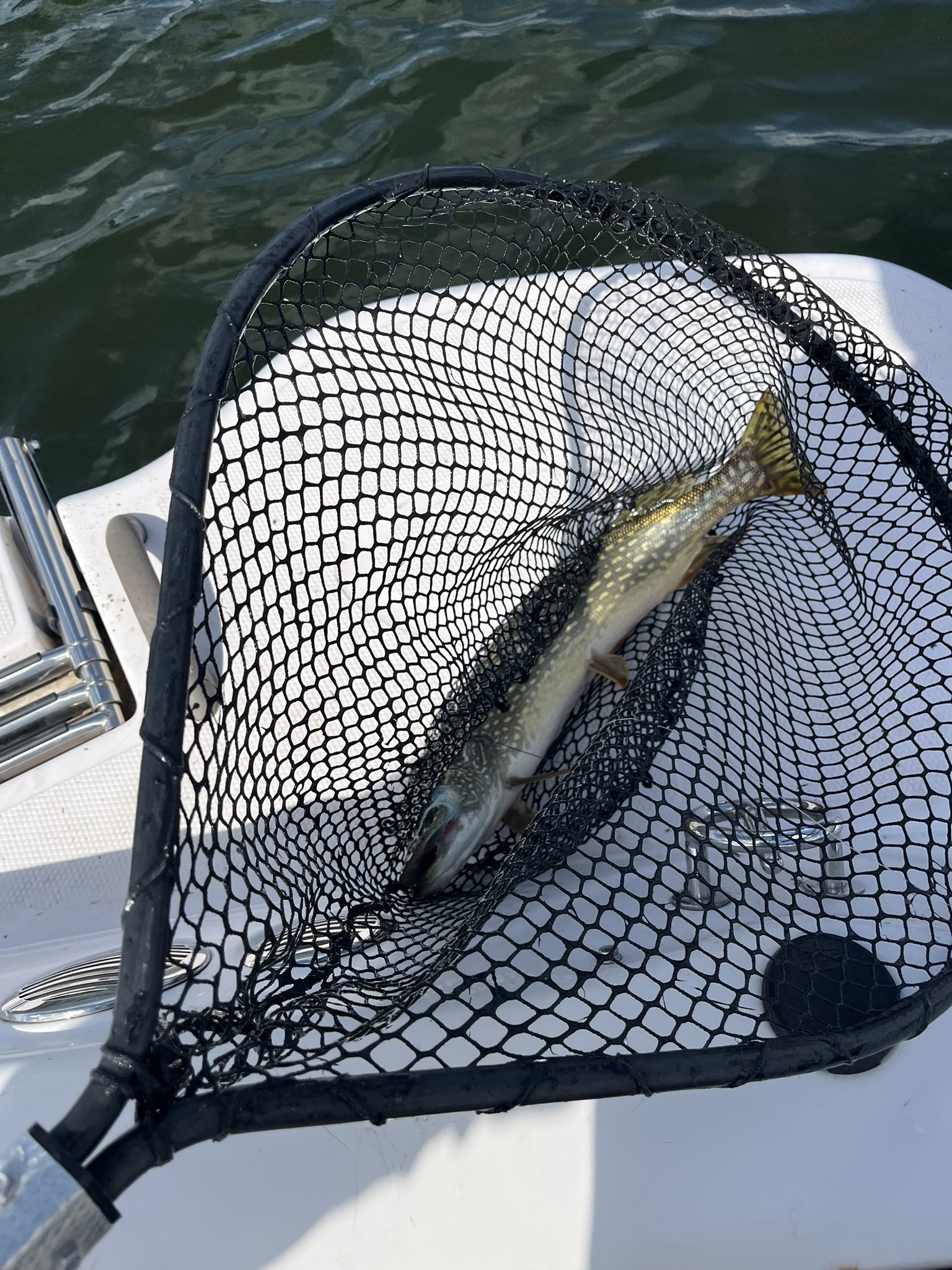
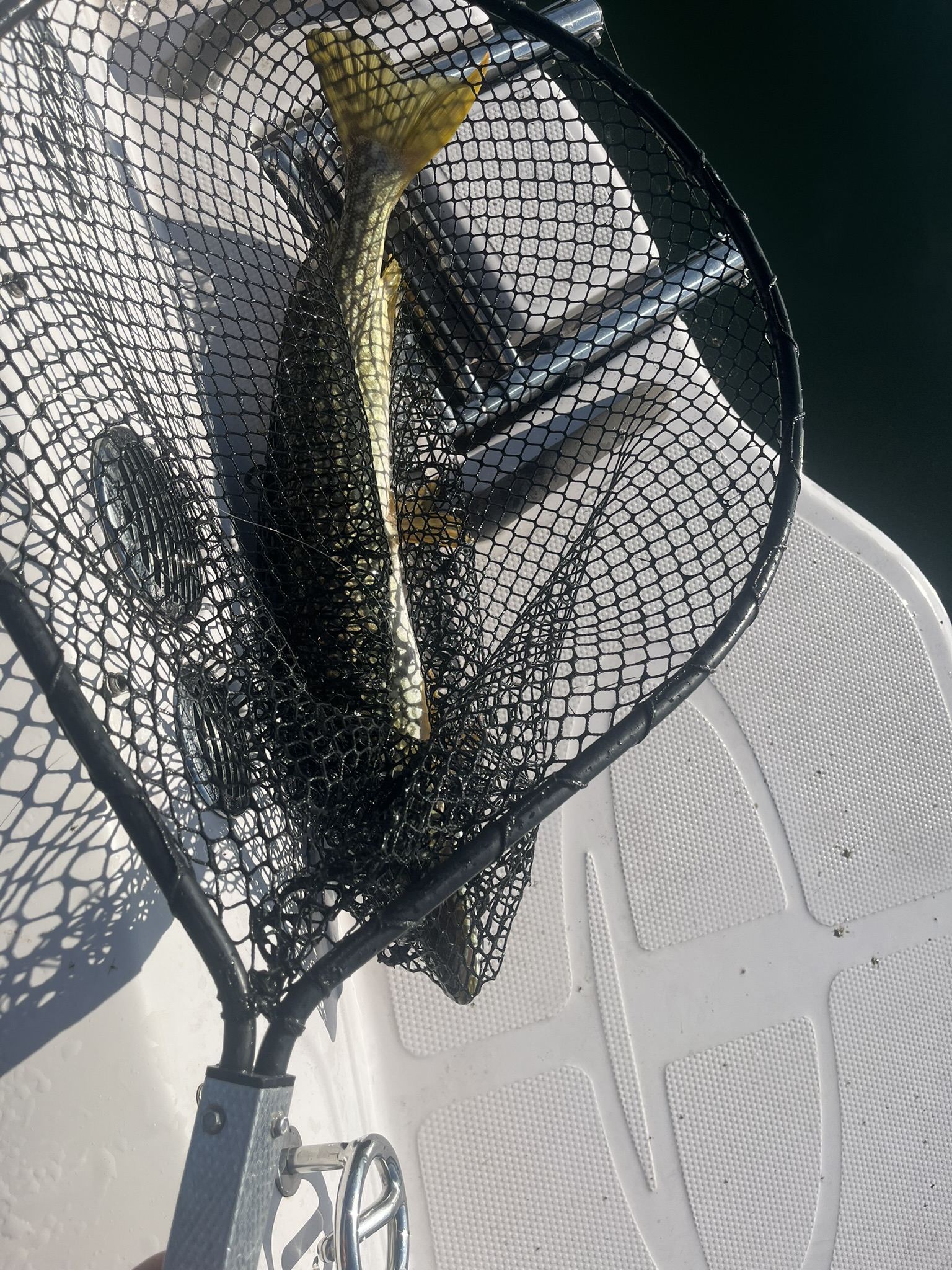
Now back to the Pike and Walleye, the big fish of the lake. On a good day, with some good streamer flies (the Go Go Ray, the Go Go Kershaw, the Iron Butterfly Minnow, the Go Go Perch) I can find the Pike. On bad day, changing locations a few times and rotating through the flies, I can come up with no fish in the net. This past summer has been very good Pike fishing and I would say only about 3 days did that happen. Even with the help of some fish spotters, the tally can be zero.

But coming back to the cabin with a zero is not in the playbook, so back up plans are in place. If the big fish don’t bite, go catch some small ones.

Back Up Plan No 1, The Last Call

There is a spot, in between where I will usually fish for Pike, and the cabin. I call it The Last Call. It’s the last chance to catch a fish from the boat and get off the snide. It’s just around the point from the cabin and loaded with Perch. If I’ve brought my little light weight fly rod I will use that, but usually I leave that behind. So I will opt for one of my spin cast rods, a 1/16th jig head and a small chunk of green plastic worm. The green plastic seems to be the secret sauce. I will pull up to the spot, drop anchor in about 6 feet of water and toss the jig. I usually only have about 6 feet of line out and let it sink to the top of the weeds then drag it around. That little bit of movement seems to get the perch active and in 10 minutes I’ve usually caught a handful of Perch. Enough to break the zero. Pull up anchor, around the point and back to the dock at the cabin.

Back Up Plan No 2, The Dock

The Last Call spot is pretty much a guarantee all season long. So is The Dock, only it’s a stretch to say I went out fishing and caught fish from the dock, my dock, at my cabin. That’s not really going out. But it’s still a back up plan to catch some fish for the day.

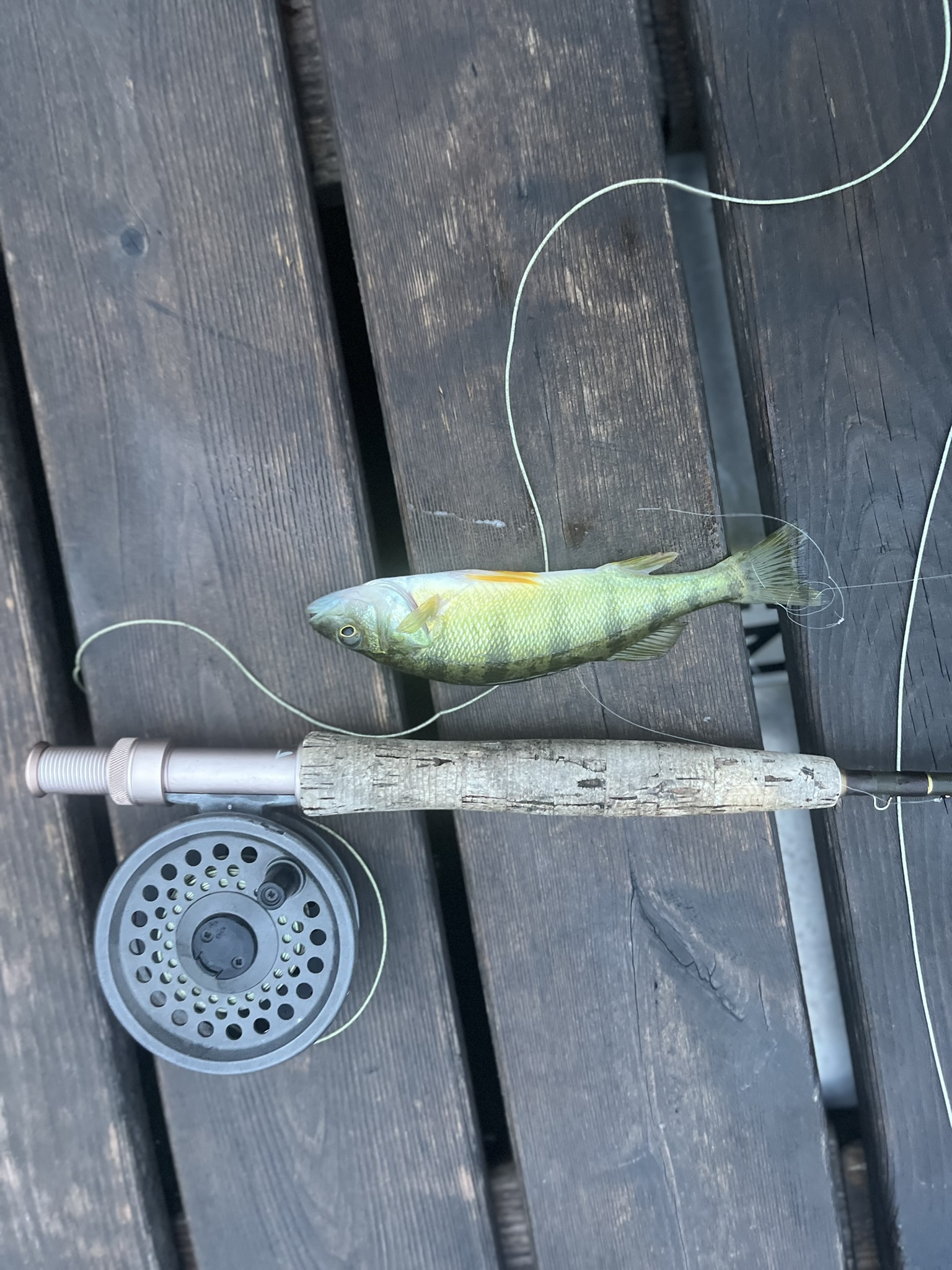
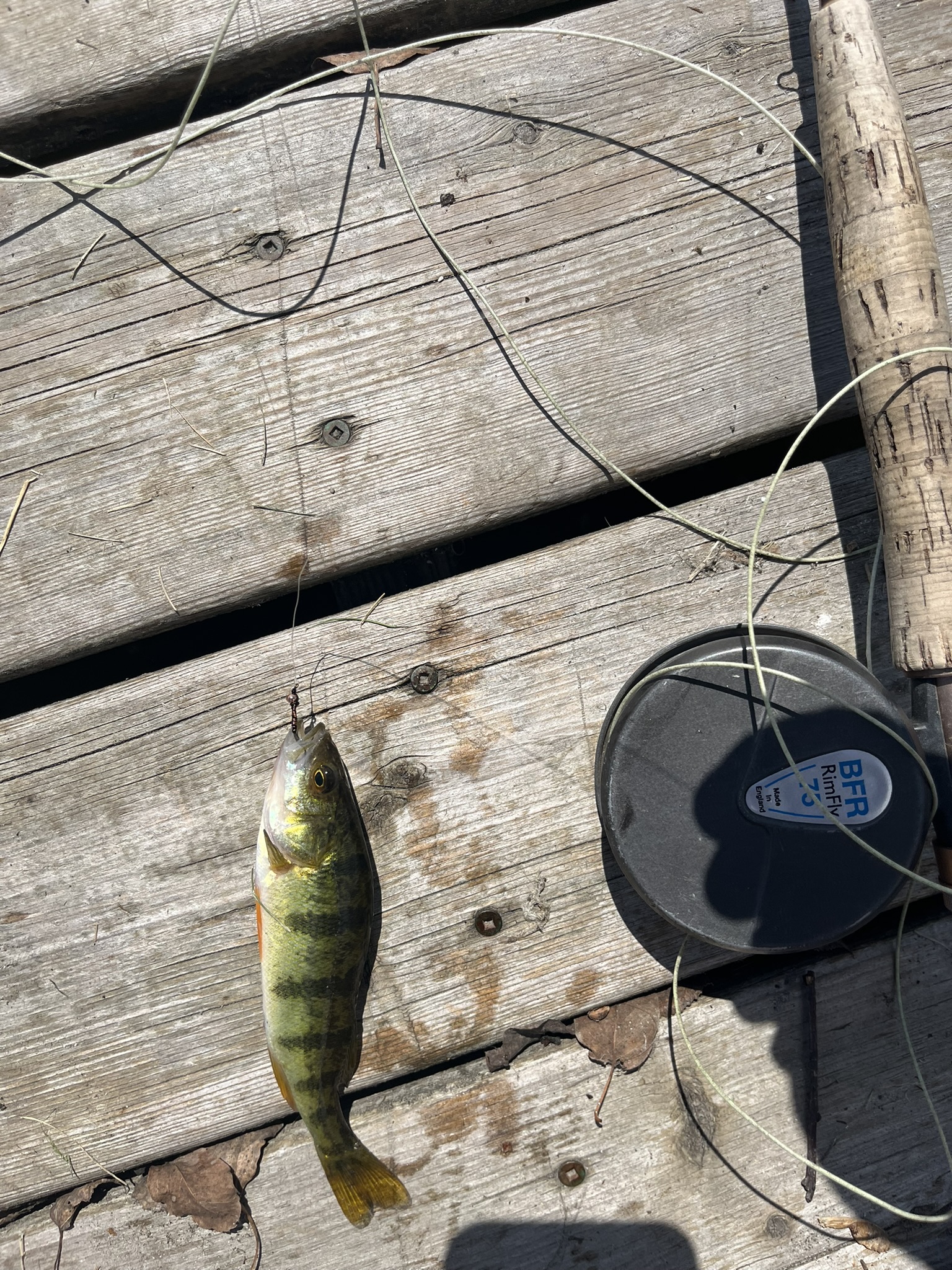
Just off the dock is a weed bad that stretches all along the cabin row. I grab my 4 weight fly rod, usually with a Bead Head Copper John fly, and cast it 20 – 30 feet straight out. I know there are perch there. There are always Perch there, and they love that simple little fly. Many of the Perch are barely able to pull the line but there are a few that will put a little bend in the light weight rod. The cork section on my fly rod is 7″ so anything that big is a good perch, at least by Fishing Off the Dock standards.

No Back Up Plan Needed

Mot days the back up plans are not needed and I am able to land a few Pike and the occasional Walleye. With the time from dock to fishing spot being less than a 5 minute song, if I strike out in the morning, I still have the afternoon, or the evening, or the back up plans to catch fish that day.


How to Solo Launch a Boat

June 6, 2025 / galen / Fishing, Life at the Cabin

The time may come when yo want to get your boat on the water, but you don’t have help available. That time was last weekend for me. So here is our step by step guide to getting your boat safely launched, whether you are launching for the season or just for the day. It’s really about Step 3 being the most important thing you do.

Before you even begin this process, make sure you have drained any water / coolant (and disposed) or other contaminants from your boat and that you test start your motor and ensure the tilt mechanism is operating properly. Don’t wait to discover a mechanical problem with your boat at the launch.

Last check, make sure you have at least one life jacket in the boat.

Step 1 – The Hook Up

I’m going to assume you know how to get your tow vehicle hooked to your trailer. If that is a mystery to you, then you should stop now.

Solo launching a boat is going to take longer than the days when you have help so you should plan for a day/time when the launch isn’t busy.

Another consideration is the weather. You are going to have to handle your boat around the dock with just your own power. A calm day is ideal to ease the effort needed but here in Saskatchewan, a calm day is a rarity, so pick a day when the winds will be in your favour and not blowing whitecaps into the launch / dock area.

Step 2 – Prep at the Launch

Time to get the boat / trailer ready to launch. Pull off to the side and remove any tarps, your tie-down straps and the winch strap. While you are at it, make sure you have the plug securely fastened in the drain hole. Before you move onto the next step, we recommend you take a quick glance down at the launch to familiarize yourself with the launch conditions and any potential hazards.

Step 3 – Tie On

The most important step. Securely tie a piece of rope from some strong anchor point on the boat, such as a rope tie, to a point on the trailer near the winch. Leave approximately 3/4 of a boat length of slack in the rope.

Step 4 – Get Wet

You are all set, now get wet. Back your trailer slowly into the water. Keep a close eye on the boat and stop when the boat just begins to float. The rope you attached will keep your boat from ending up floating out of reach.

Step 5 – Tie Up

You will need to wade into the water to the winch to untie the rope from the trailer winch area. Keep ahold of the rope and get up on the dock. Move the boat from the launch side of the dock onto the opposite side and tie the font and back of the boat to the dock. Before you move onto Step 6, hop in the boat and test start again. Now is not the time for a dead battery!

Step 6 – Park the Trailer

Move the tow vehicle and empty trailer to a designated parking area.

Step 7 – You Are Launched

Return to the dock. Untie your anchor ropes and push off.

Going the Extra Miles

When I’m solo launching my boat, I’m usually launching for the season and then parking the boat at my cabin.

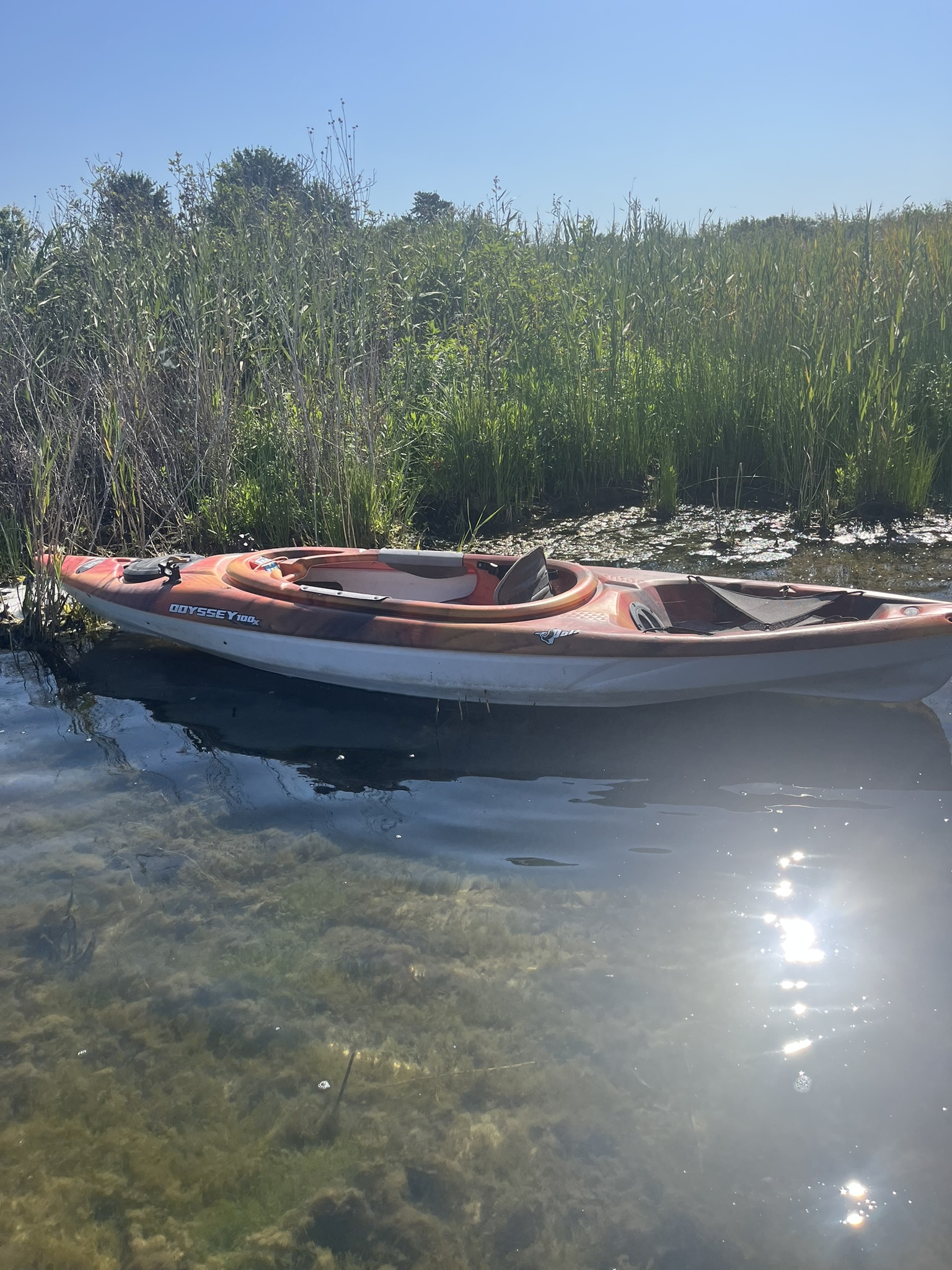
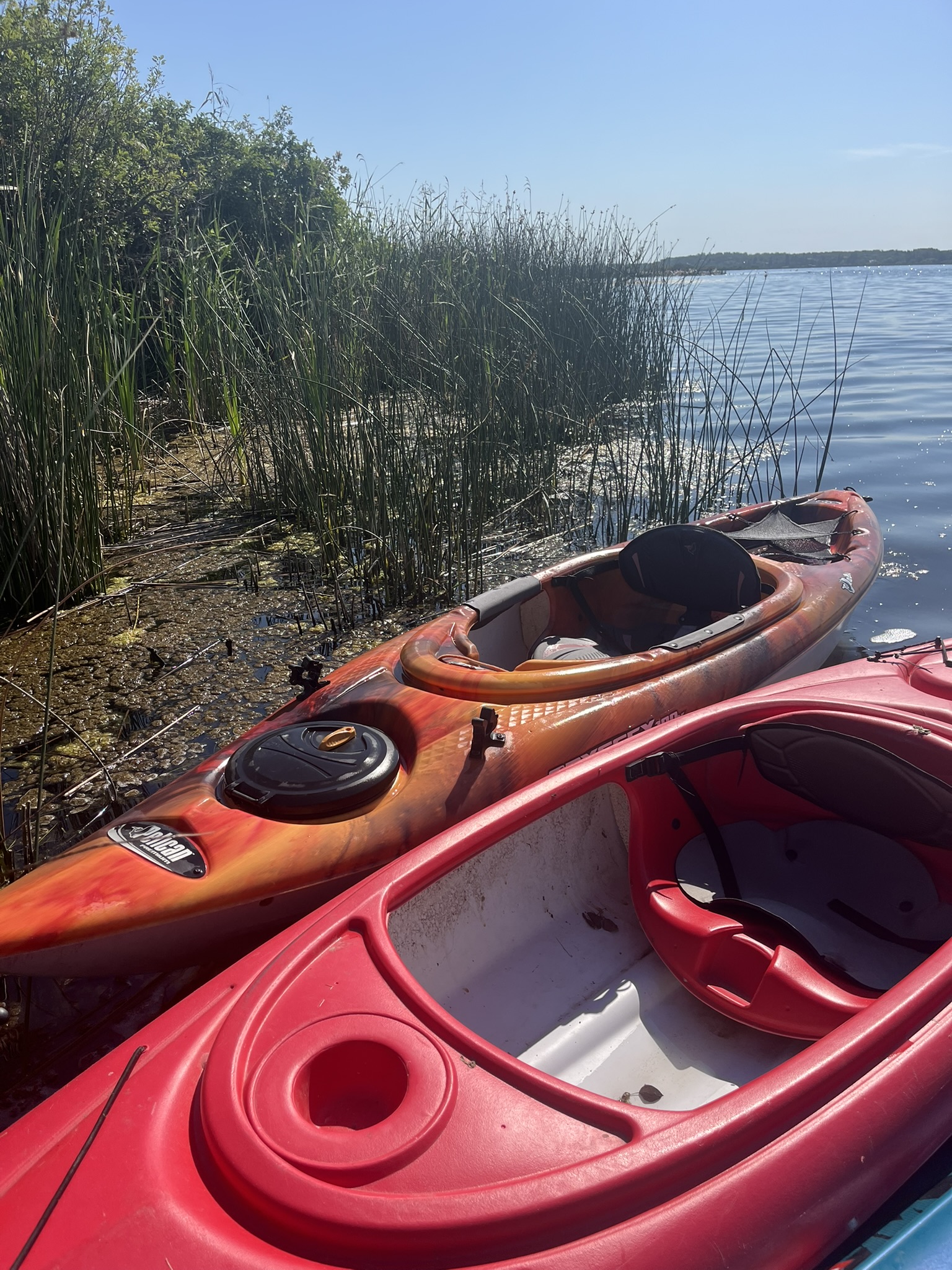
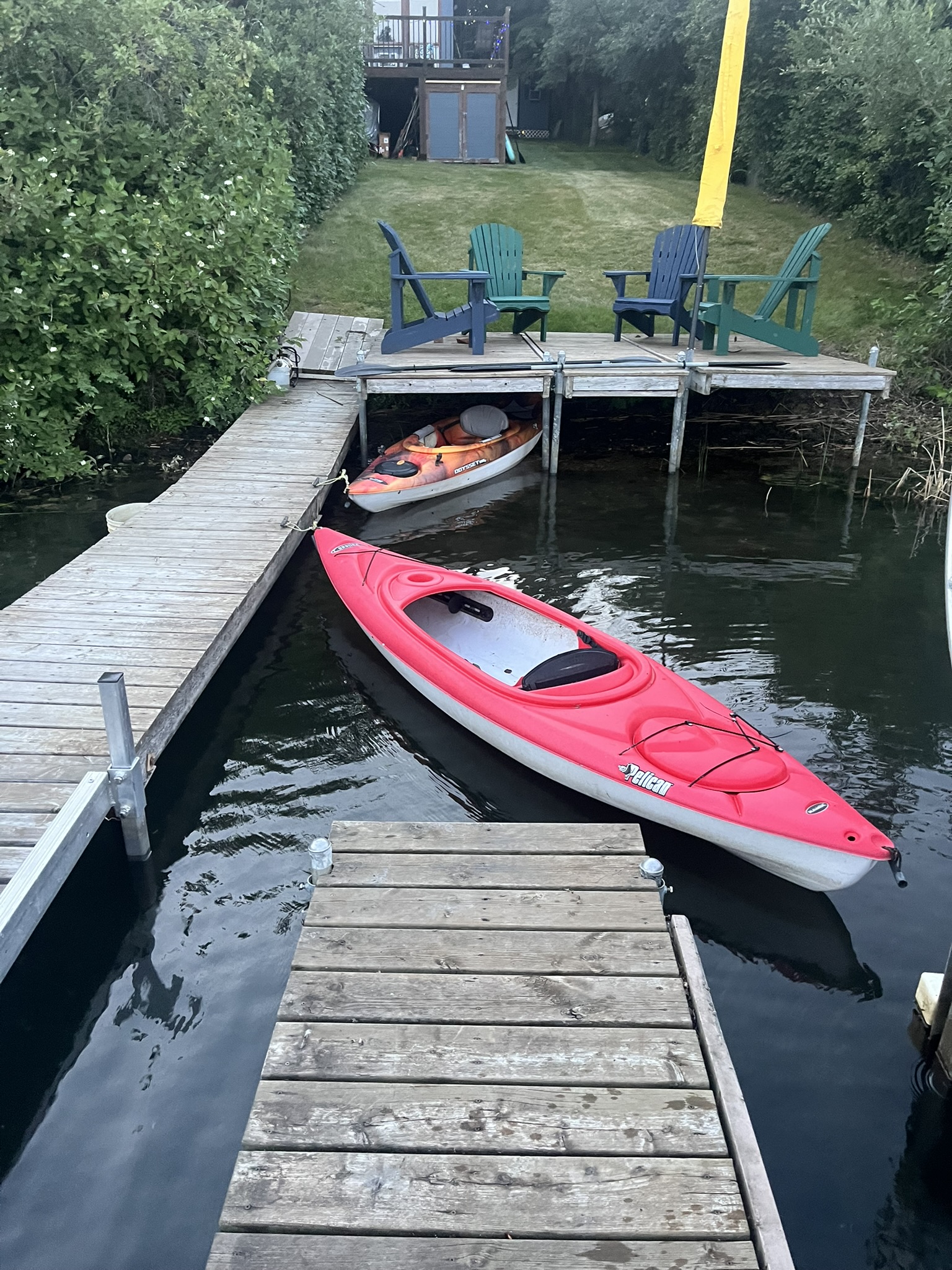
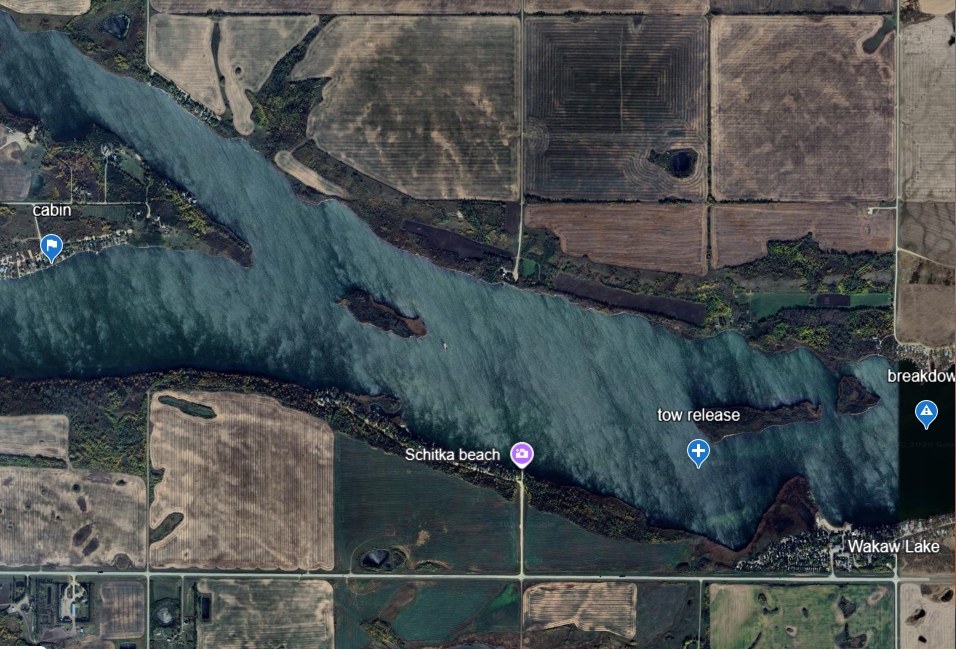
That leaves me with another step. I need my trailer and tow vehicle. That’s why I am careful to choose a calm day, or a day with the wind in a favourable direction. The launch is East of my cabin, and across the lake, so I need either a very light wind or a wind from the West, as I hop in my kayak and paddle back to the launch. Once I reach the launch via kayak, I haul the kayak to the boat trailer, winch-strap it on, and head back to the cabin.

I do get a few looks. It looks like a ridiculous amount of trailer for one kayak! A quick drive back to the cabin and all is done.

Dog Hair Flies for Pike

September 21, 2022 / galen / Fly Fishing, Life at the Cabin

Maybe I’m a purist. Maybe I’m just cheap. Maybe both.

I’ve been tying flies for 25 years. I like to use natural materials whenever possible, especially if I gather it myself. From peacock hurl picked up at the zoo, I have made a killer summer trout fly, The Super Jumbo Mosquito. From numerous waterfowl hunts I have gathered duck feathers and down and I have made a few unnamed flies that have worked on trout and perch. With a great deal of cutting and bundling, I have made caddis-like flies from goose feathers. Even a few gaudy dry flies from sandhill crane wing feathers that have convinced a few fish to take the chance and give it a bite.

I’ve been tying flies for northern pike for 10 years. For the first 8 years I used store-bought materials. Coloured fibres and Superhair and a few other items such as Chenile to dress them up a bit. I started from Clouser Minnow patterns and eventually just added length.

A few years ago I snipped some brown hairs off my son’s dog, Kershaw (yes, named after that Dodger pitcher). From that came the first Dog Hair Caddis. It landed a few trout but was even more effective on perch off the dock. Another pattern, from my son’s other dog, Doc (yes, named after Roy “Doc” Halladay), and I made a very successful “Perch Snatcher” fly, a bit like a miniature egg sucking leach.

Then came the ideas. Why not use the long dog tail hairs and build some pike streamers from dog hair? I tried last year, tying the first Kershaw Curve Ball Streamer. I took this up north to Cree River Lodge and tossed it with my 8 weight rod and managed to land a few small pike. Call that success. By small pike, I really mean small pike, hammer handles, 20″ and less. The following day using a fly from 100% synthetic materials, a pattern I named the Go Go Ray, I landed a 46″ monster pike. The same fly pattern, along with another of my own creations, the Iron Butterfly Minnow, have helped me catch pike on the fly at Wakaw Lake for a few years now.


Time to put the ideas to the test, beyond tossing a few casts in a place know as the pike fishing capital of the world (Cree River Lodge). One day when all three family dogs where at my house, I took my fly sculpting scissors and took a bit of free materials from all three dogs.

I tied and improved on the original Kershaw Curve Ball Streamer, making it longer with bigger streamer hooks for catching pike.

Then I took the Go Go Ray pattern which was working on the Wakaw pike and used hair from my daughter’s dog, Bauer (named after her favorite brand of hockey equipment). The result was the Go Go Bauer. That next weekend all three dogs caught a fish! The improved Kershaw Curve Ball Streamer landed both pike and walleye. I switched to the Go Go Bauer and landed a pike. Back at the dock that evening, the Perch Snatcher (made from Doc hair) hooked about 20 perch.


I thought the idea of catching a fish with all three dog’s hair was quite a novel idea. Why not all three dogs at once? Next day at the tying desk, I made a few more “Go Go” flies. A Go Go Kershaw, another Go Go Bauer, and a Go Go KBD (Kershaw Bauer Doc).

That evening, with the Go Go KBD at the end of my pike leader, I caught three more pike.

By the way, go check out the Cree River Lodge site Testimonials. That’s me in the second and third pictures, with my best fly-rod walleye and my all-time personal world record pike on a fly 46″ monster.

The Big Cabin Clearout, Episode #2

August 27, 2016 / galen / Life at the Cabin

When we bought our cabin, it was all inclusive of everything in the cabin and in the yard, with a couple of exceptions.  That meant all the furniture, tools, cookware, appliances, etc.  The cabin was full.  Of the roughly 1000 square feet of floor space, it seemed like there was only 200 square feet not covered. Every space on the shelves had something, every drawer was filled. If there was one dish cloth, there were ten. If there was one wine glass, there were a dozen, and at least 3 different styles. If there was a TV, there were 5, yes, 5 TV’s at the cabin. If your going to just watch TV, may as well just stay at home in the city, at least that was our thinking. In the living room, there was a large 50 inch TV with a high end surround sound system, and a smaller TV hanging from the ceiling above it, and another 32 inch TV at the other end of the room.

Outside was full of patio furniture, deck accessories, bicycles and other assorted items. The all inclusive package included two lawn mowers, a 30 year old gas powered mower and a new human powered rotary push mower. There were a number of other yard tools. Over the next few days we would soon discover what was still in working condition. We knew the cabin had hardly been used for recreation the last few years. That much our real estate agent was able to get from the previous owner. What had become clear was that it had become a big storage closet for a wide assortment of trinkets and knick knacks.

On day 1 of possession my oldest son and I took our new set of keys, loaded my truck with tools from home, and headed to our new cabin to begin. Job 1 was to knock down the grassy weed field we were hoping would eventually be our yard. We took everything we might need to cut, dismantle, knock down and remove as much excess stuff as possible.  But, cabin rules, before starting any work project, we cracked open the first beers on our new cabin property.

We went in with the assumption that any tool the previous owner had left behind was not going to work, if it did, that would be a bonus. I set the lawnmower wheels as high as they would go, told my son to wear boots to protect against whatever shrapnel might be encountered, and sent him to cut the knee high front lawn. I pulled out the man-powered rotary lawnmower and decided to give it a try in the back yard. I soon discovered that while everything was turning properly, the rotating blades could not get on top of the tall grass/week combination and all I was doing was rolling over the plants.  Next I pulled out the gas mower, set the wheels to maximum height, filled the oil tank, filled the gas tank, and started working on the pull cord like I was at the gym doing one arm dumbbell rows.  On about the third set of 10 pulls, it sputtered to life, backfired, blew smoke, sputtered and stalled.  A few more sets, a few more episodes of back fires and stalls, and it kept running.  Excellent, free lawn mower.  (Edit: 4 summers later, still running).  In need of a tune up but a free lawn mower saves me a few hundred bucks.  After three passes, adjusting the wheel height each time, we had knocked it down to a reasonable height.  Crappy lawn, mostly weeds, but gotta start somewhere.


With the yard knocked down we moved on to what we knew was the big job, getting all the junk out of the cabin that we didn’t want.  Along with the all inclusive purchase plan, we knew there would be a big pile of stuff we didn’t want or need.  It didn’t take long to fill up the first of 5 truck loads of junk we would take to the dump.  To get to the dump, we drove around the west end of the lake, south to the highway, back east a few miles, then 5 miles south on the grid road.  About 20 miles round trip.  Return and do it again.  It was a few weeks later that we learned about the transfer station located about 2 miles straight west of us.

As loaded up the truck each time, we would send out group text pics of items in the cabin we came across to everyone in the family.  That helped us with the 3 piles of stuff to definitely recycle/throw out, the donation pile, and the smaller pile of surprising discoveries.  One of these was an old cream separator that was tucked under the stairs, under a fake plant, partially hidden from sight.  A really cool antique piece that now sits much more prominently.  More treasures were found such as paint ball guns, brand new life jackets, wet suits, window mount air conditioners, a foldaway cot, old movie posters, 20 strings of Christmas lights (not counting the ones already wrapped around trees outside) and more figurines than we knew what to do with (1 is too many if you ask me).


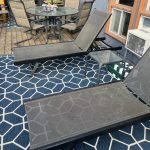
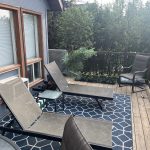
There were more discoveries to occur down the road, more in future episodes, but for now, after a full day of making space in the cabin, it was now time to sit on the deck, on the newly discovered lounge chairs, and finish off the rest of the beers.  While my son took the kayak down for a paddle, I watched.  It was a full day of work and we were only just beginning.


123

Recent Posts

  • First Fishing Trip of the Season
  • A Lesson in Remote Boat Repairs – Bring Extra Parts
  • A Sea-Doo Makes a Terrible Kayak
  • Putting Out the Dock and Lift – High Water
  • Spring Time is Work Time

Categories

  • Bear Hunting
  • Camping
  • Deer Hunting
  • Duck Hunting
  • Fishing
  • Fly Fishing
  • Goose Hunting
  • Hunting
  • Ice Fishing
  • Life at the Cabin
  • Outdoors
  • Snowmobiling
  • Uncategorized

Subscribe to Updates

Subscribe to our Posts